

EJBench: AI engineering judgement
Physics AI that closes the engineering design loop.
Traditional design cycles can take years. We can do it in seconds.
One connected workflow for geometry, meshing, simulation, learning and optimization. Not just an AI surrogate. Not just a faster solver.
Traditional CAE
16+ weeks- 01CAD prep
- 02Mesh
- 03Setup
- 04Simulate
- 05Iterate
- 06Post-process
Serial steps. Repeated handoffs.Repeat ↶
01Foundational AI Models.
for physical systems engineering
02GPU-native
multiphysics simulation
03End-to-end
geometry to optimization
Industries
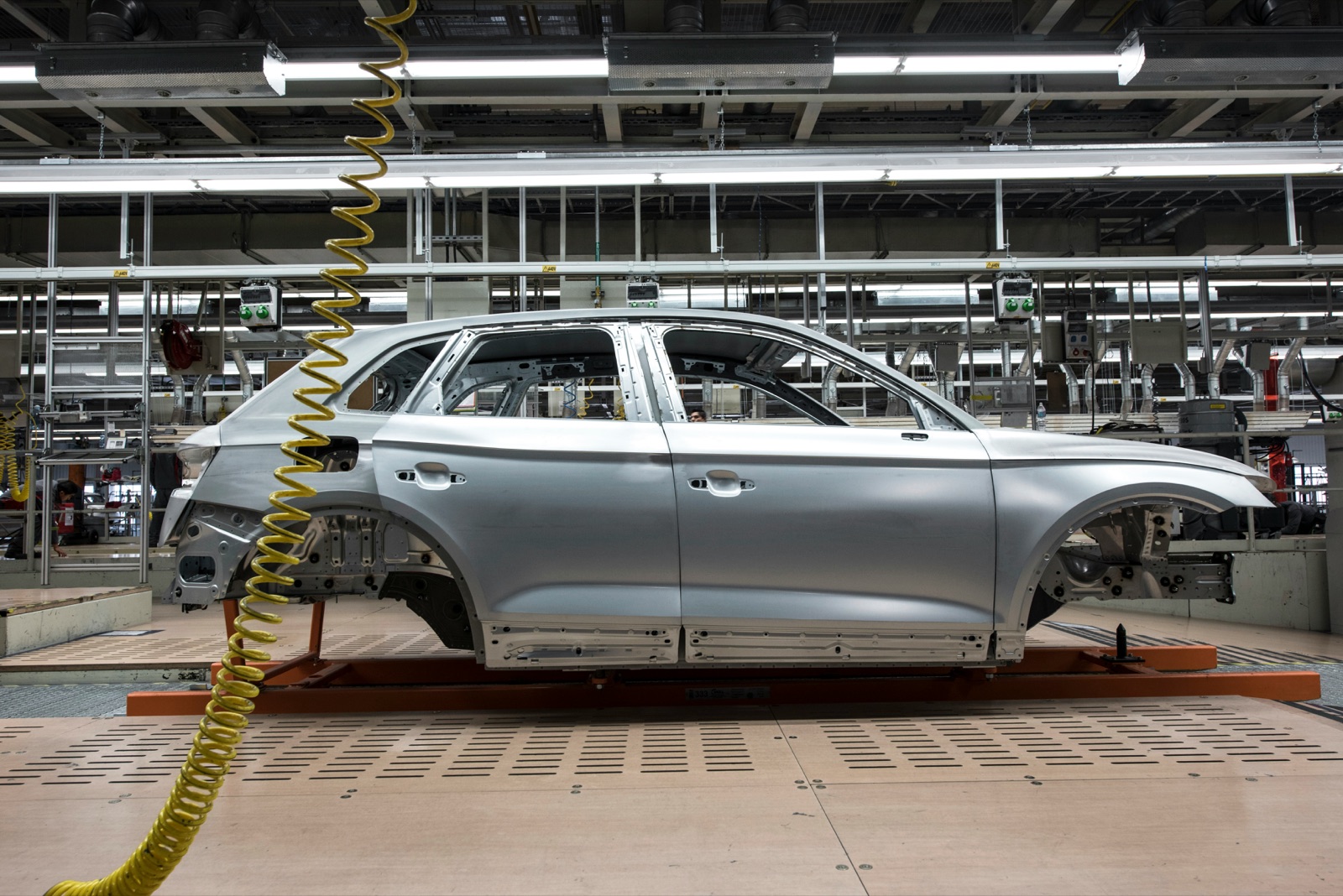
Automotive
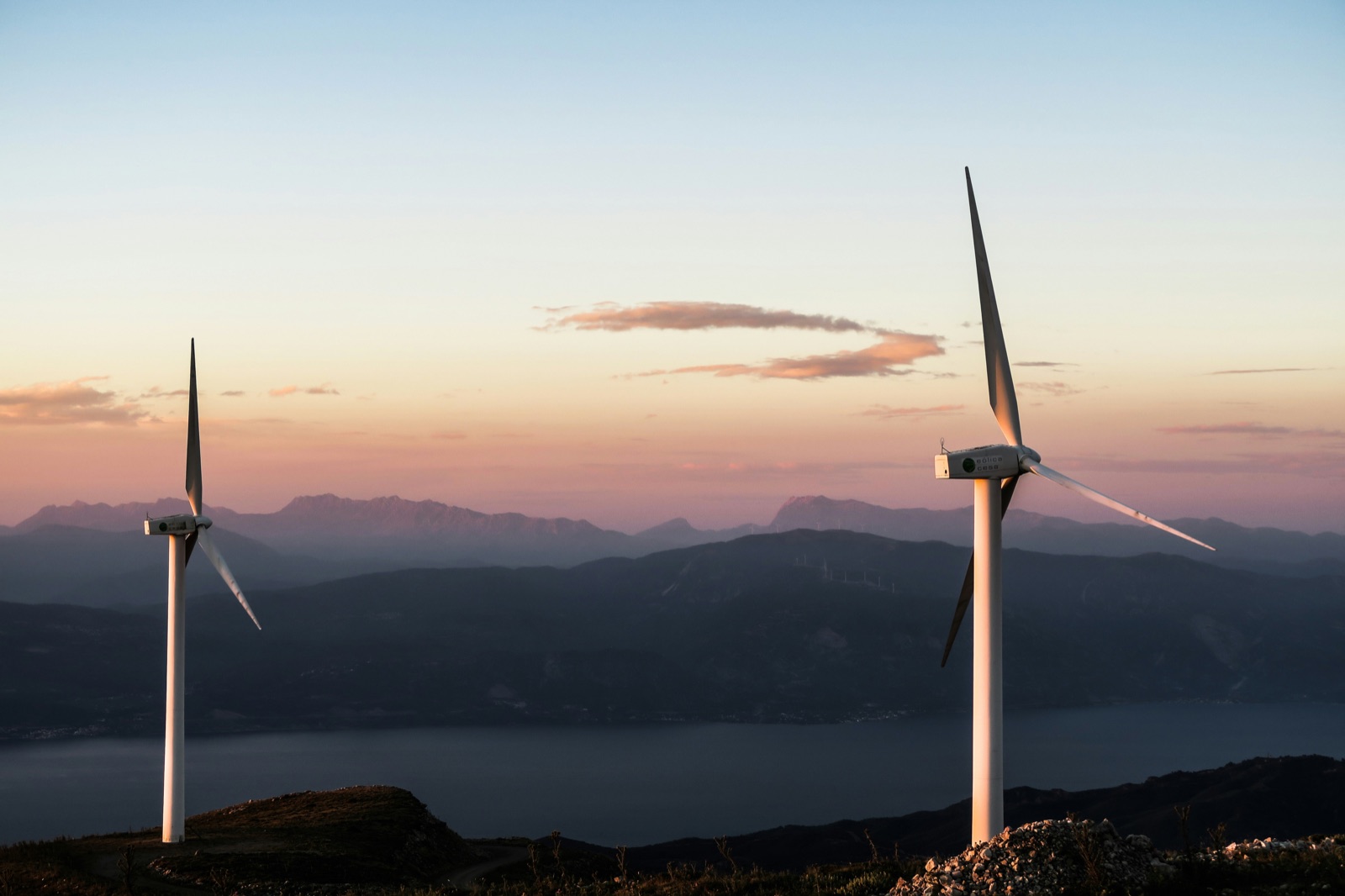
Energy
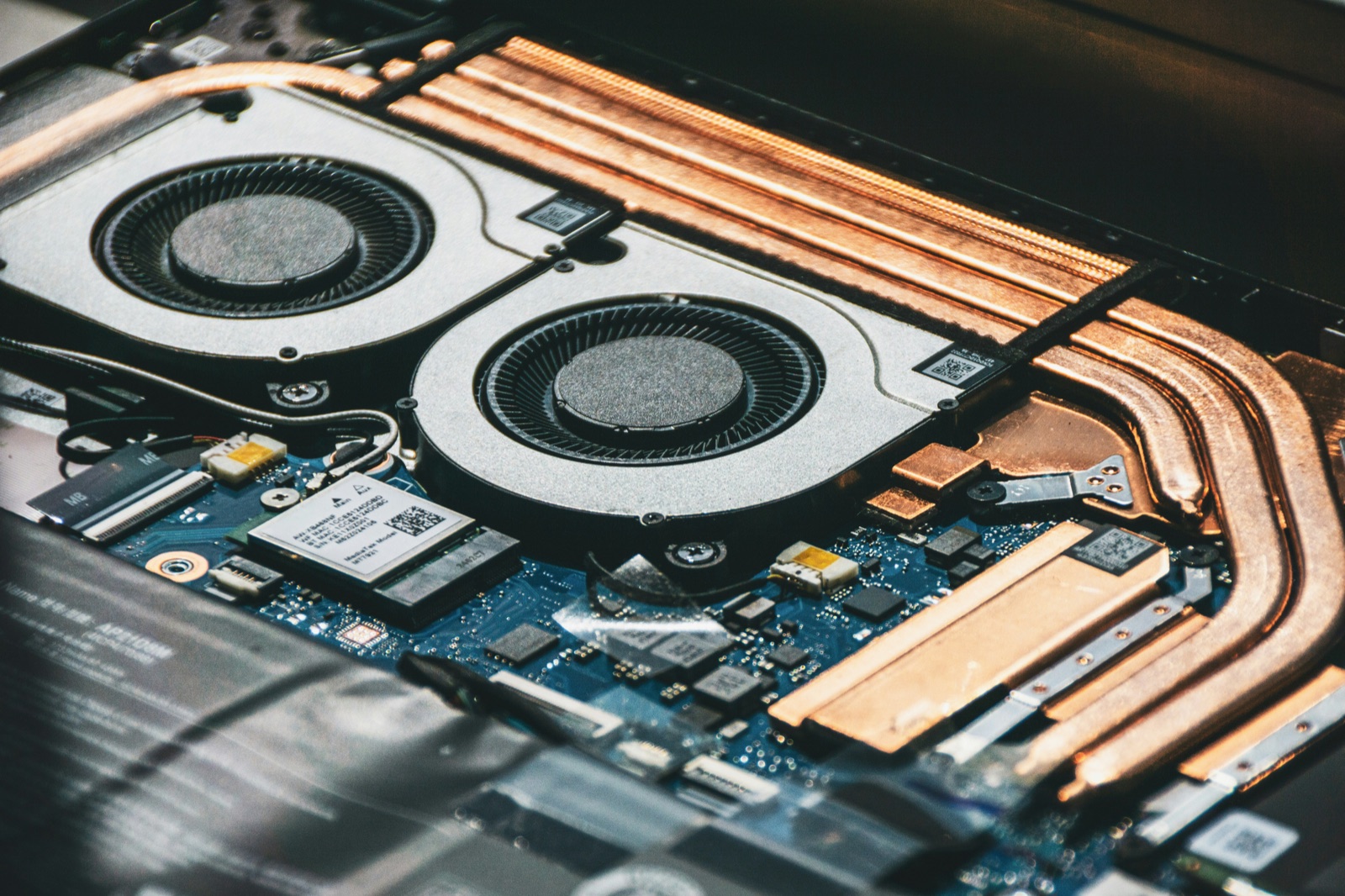
Electronics
Built for exploration
Explore and optimize designs faster
Turn simulation into a design instrument, not a final checkpoint.
01
Physics-aware AI
AI models understand physical behaviour and engineering constraints—not just patterns in data.
02
White-box multiphysics
Transparent GPU-native solvers deliver high-fidelity results teams can inspect and trust.
03
Optimization at speed
Evaluate more informed iterations, identify stronger candidates earlier, and shorten development cycles.
The difference
A better way to design
Modern products need a workflow built for continuous exploration—not disconnected tools and serial handoffs.
Traditional workflows
- Weeks per design iteration and heavy manual setup
- Siloed tools that create handoff friction
- Validation-first workflows that constrain exploration
Gradient Dynamics
- AI predictions in seconds for rapid early exploration
- Differentiable multiphysics built for optimization
- Broader design-space coverage and faster decisions
Business impact
Outcomes that matter
More exploration, better performance, and less engineering overhead.
01
1000×+Faster design iterations
Run massive arrays of design variants with gradient-based optimization in the time traditional CFD evaluates a handful.
02
GlobalOptimization insight
Explore high-dimensional design spaces efficiently and uncover performance improvements trial-and-error approaches miss.
03
LowerSimulation overhead
Automated meshing and GPU acceleration reduce infrastructure cost while engineers stay focused on design decisions.
Start a conversation
Build optimized.
Talk to us about improving product performance and reducing time to market with AI-native computational physics.